Glucagon-like peptide-1 (GLP-1) is a 30- or 31-amino-acid-long peptide hormone deriving from tissue-specific posttranslational processing of the proglucagon peptide.Glucagon-like peptide-1 receptor agonists gained approval as drugs to treat diabetes and obesity starting in the 2000s.
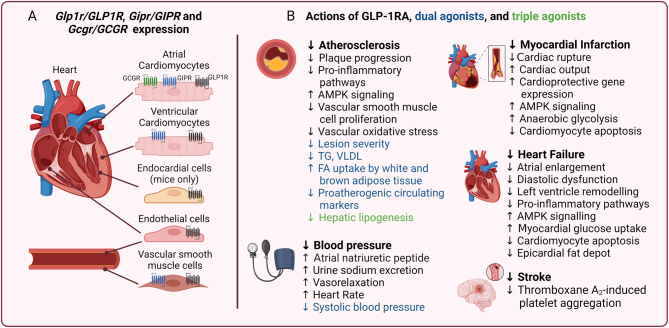
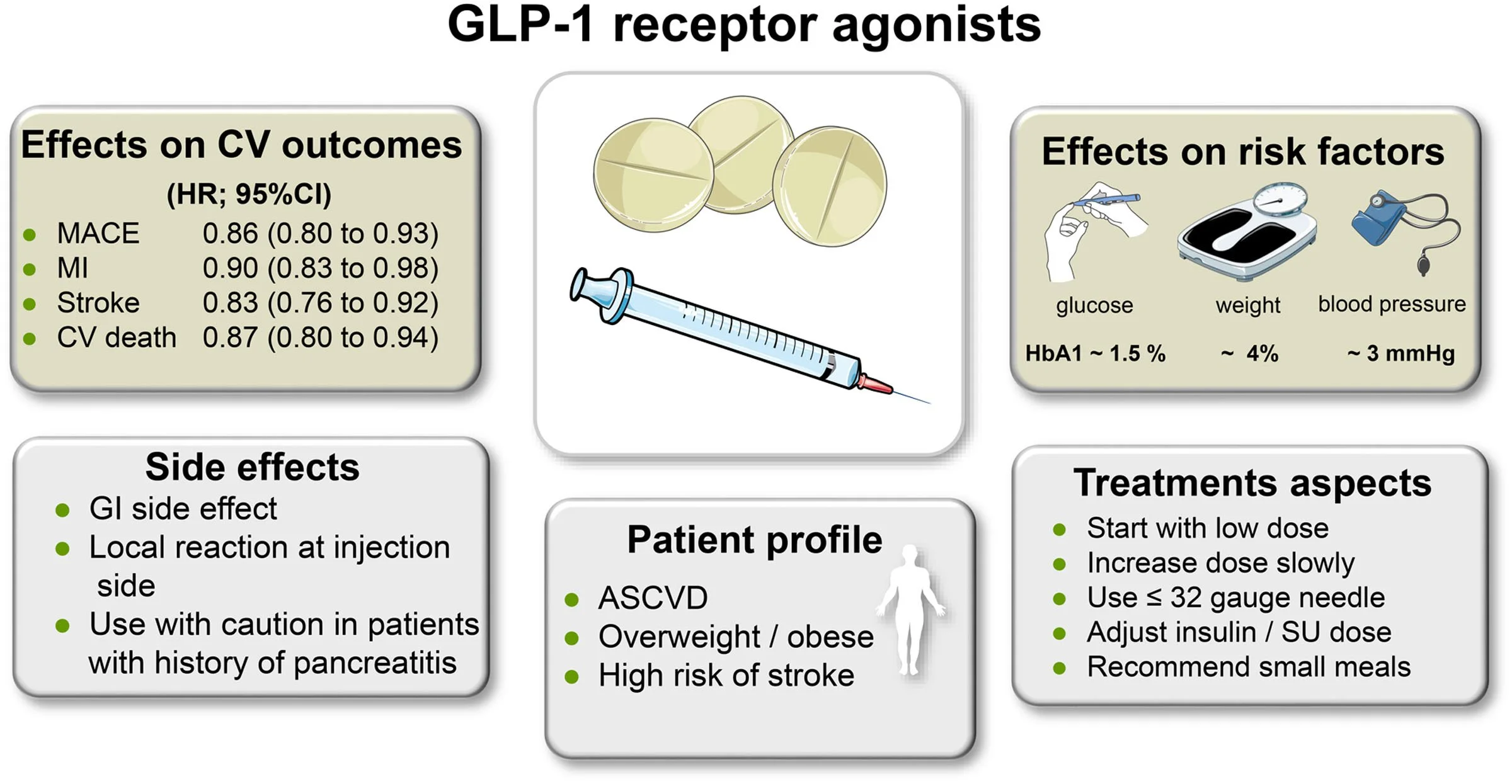
Glucagon-like peptide-1 receptor agonists (GLP-1 RAs) have demonstrated significant cardiovascular (CV) benefits, particularly in patients with diabetes mellitus, but the safety and efficacy of different GLP-1 RAs across diverse populations remain insufficiently defined.
To determine if different glucagonlike peptide1 receptor agonists (GLP1RAs) had varying effects on these CV risk factors, we reviewed 16 headtohead trials directly comparing GLP1RAs that included at least one of the five factors.

Such details provide a deeper understanding and appreciation for Glp-1 Receptor Agonist Cardiac Arrest Risk Factors.
Quick Takes Health care professionals should explore the use of glucagon-like peptide-1 receptor agonists (GLP1RAs) for cardiovascular risk reduction and their broader impacts on cardiometabolic health beyond diabetes mellitus management, guided by the latest clinical trial findings and guidelines.
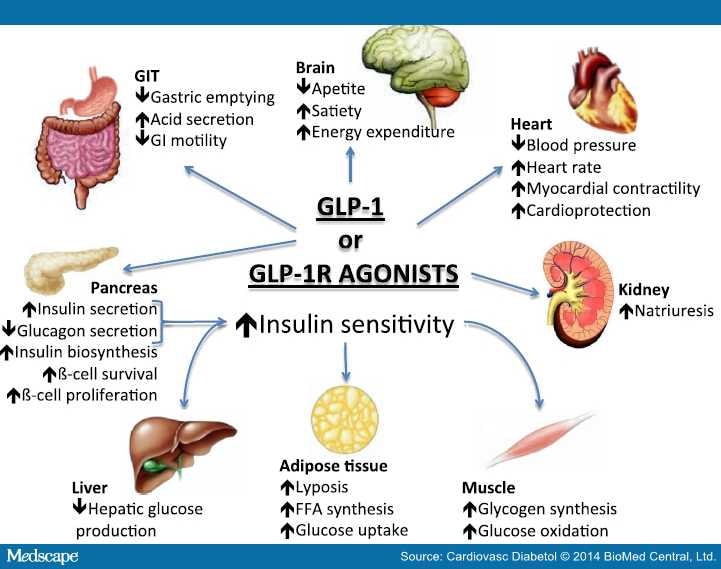
Moreover, the cardioprotective properties of GLP-1 RAs have been manifested in terms of reducing hypertension, hyperlipidemia, and cardiac arrythmias; controlling these factors plays a key role in the CV risk mitigating strategies.

GLP-1 receptor agonists have emerged as biologically plausible modulators of reward circuitry and addictive behavior. Preclinical data are robust and consistent across substances, while human evidence provides encouraging but non-causal signals.